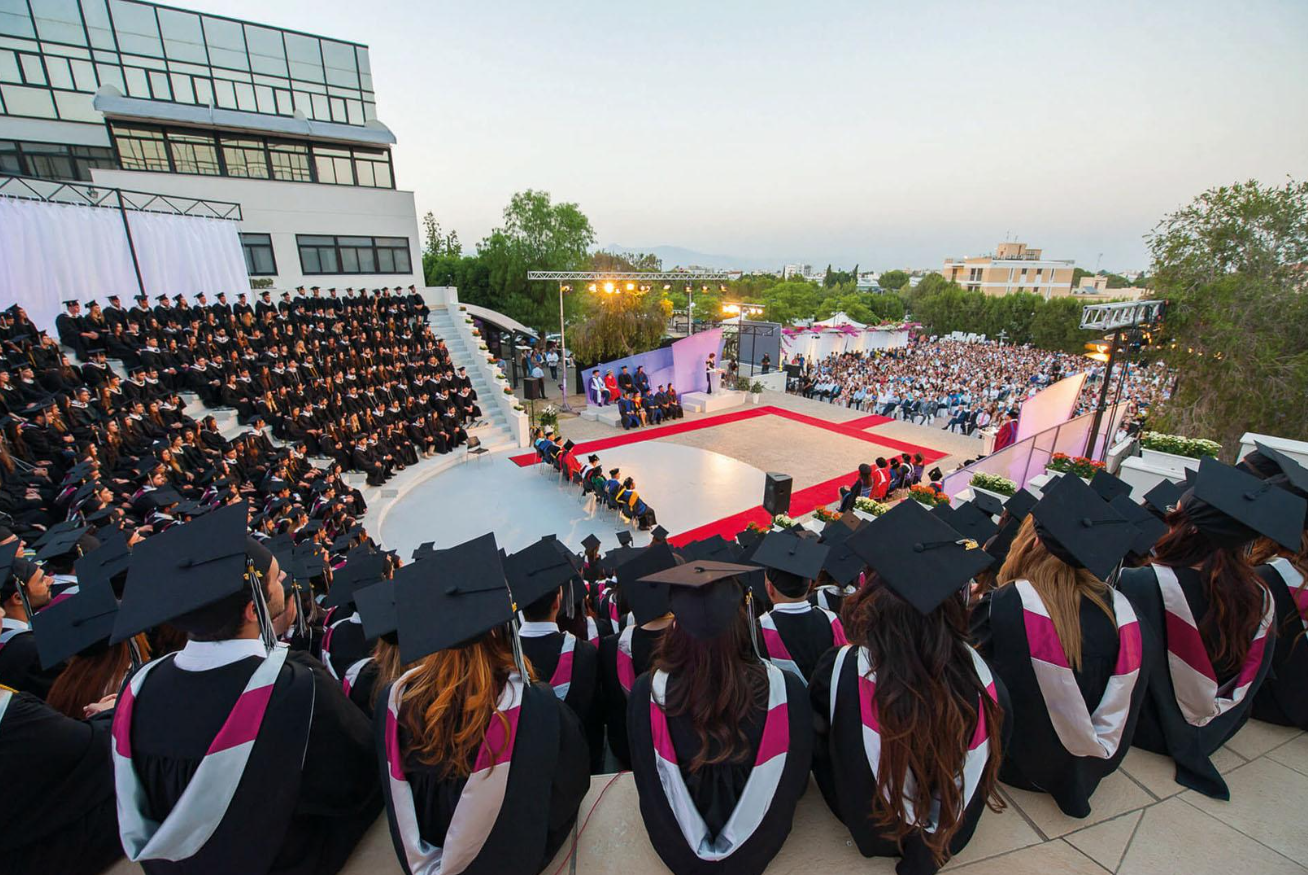
Discover how universities in 2026 are transforming education through AI, digital learning, industry partnerships, and career-focused programs.
Higher education is undergoing a major transformation. Universities around the world are adapting to new technologies, changing job markets, and the growing demand for practical skills. In 2026, institutions are focusing not only on academic excellence but also on preparing students for successful careers in a rapidly evolving world.
From artificial intelligence to hybrid classrooms, modern universities are redefining the learning experience.
AI Is Changing Higher Education
Artificial intelligence has become an essential part of university education. Many institutions now use AI-powered tools to personalize learning, provide instant academic support, and help students improve research and writing skills.
Students can receive customized study recommendations, while instructors use AI to analyze learning progress and identify areas where additional support is needed.
Flexible Learning Models
Traditional classroom education is no longer the only option.
Universities now offer:
- Online degree programs
- Hybrid learning
- Virtual classrooms
- Self-paced courses
- Interactive digital lectures
These flexible learning options allow students to balance education with work, internships, and personal responsibilities.
Stronger Industry Partnerships
Modern universities are working closely with businesses and technology companies to ensure graduates have job-ready skills.
Students benefit from:
- Internship opportunities
- Industry projects
- Career mentoring
- Professional networking
- Real-world case studies
These collaborations help bridge the gap between academic knowledge and workplace expectations.
Focus on Digital Skills
Digital literacy has become a core requirement across nearly every profession.
Universities are expanding programs in areas such as:
- Artificial Intelligence
- Data Science
- Cybersecurity
- Software Development
- Cloud Computing
- Digital Marketing
Graduates with strong digital skills are increasingly competitive in the global job market.
Research and Innovation
Universities continue to drive innovation through research.
Students and faculty work together on projects involving:
- Renewable energy
- Healthcare technology
- Climate change
- Robotics
- Biotechnology
- Smart cities
Research activities encourage critical thinking and help solve real-world challenges.
Global Learning Opportunities
International education has become more accessible than ever.
Many universities now provide:
- Student exchange programs
- Joint international degrees
- Virtual global classrooms
- Cross-border research collaborations
These opportunities expose students to different cultures and broaden their professional perspectives.
Student Well-Being Matters
Universities are placing greater emphasis on student health and well-being.
Support services often include:
- Mental health counseling
- Academic advising
- Career guidance
- Wellness workshops
- Peer support groups
A healthy learning environment helps students achieve better academic outcomes and personal growth.
Sustainability on Campus
Environmental responsibility is becoming a priority in higher education.
Many campuses are investing in:
- Green buildings
- Solar energy
- Waste reduction initiatives
- Water conservation
- Sustainable transportation
Students are also encouraged to participate in environmental projects and community initiatives.
Career Readiness
Today’s universities are preparing students for lifelong careers rather than just graduation.
Career development centers help students with:
- Resume writing
- Interview preparation
- Internship placement
- Entrepreneurship support
- Professional certifications
These services improve graduates’ confidence and employability.
The Future of Universities
Universities in 2026 are becoming more connected, technology-driven, and student-focused. They are preparing graduates to succeed in industries that continue to evolve through innovation and digital transformation.
By combining academic excellence with practical experience, modern universities are shaping the next generation of leaders, researchers, entrepreneurs, and professionals.
Frequently Asked Questions (FAQ)
Why are universities changing their teaching methods?
Universities are adapting to technological advancements, changing workforce demands, and the growing need for flexible learning.
What skills are most important for university graduates?
Digital literacy, communication, critical thinking, problem-solving, teamwork, and adaptability are among the most valuable skills.
Are online university programs becoming more popular?
Yes. Online and hybrid programs continue to grow because they provide greater flexibility while maintaining academic quality.
How do universities help students find jobs?
Many universities offer internships, career counseling, networking events, employer partnerships, and professional development programs.