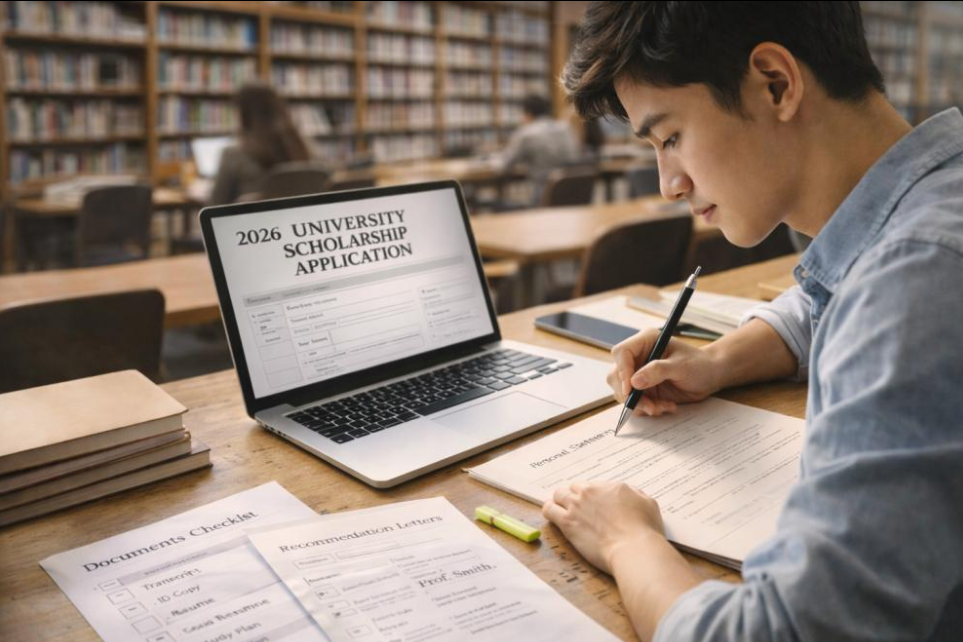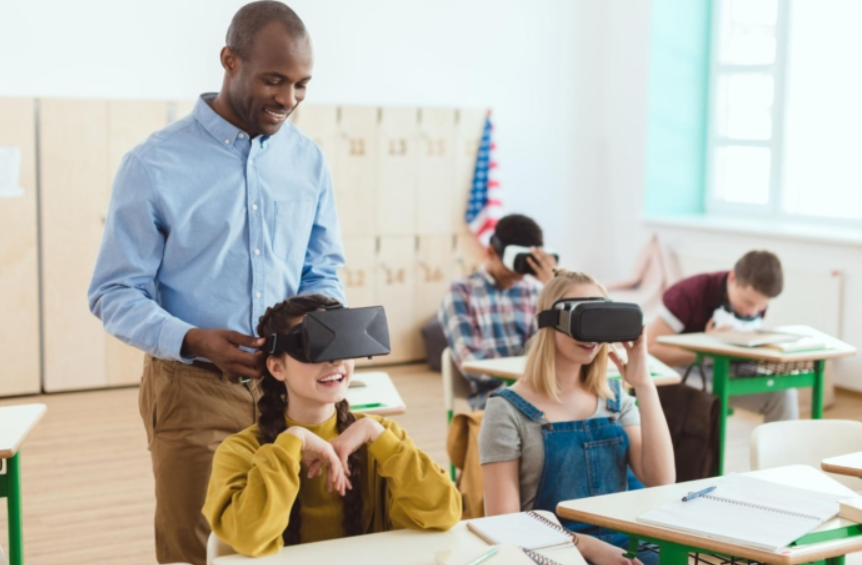
Education is changing rapidly as technology, new teaching methods, and evolving career requirements reshape the learning experience. In 2026, schools, colleges, and universities are increasingly combining traditional teaching with digital tools to provide students with more flexible and personalized learning opportunities.
The modern education system is no longer focused only on memorizing information. Critical thinking, creativity, digital literacy, communication, and practical skills are becoming increasingly important.
Artificial Intelligence in Education
Artificial intelligence is one of the biggest developments influencing education.
AI-powered tools can help students understand difficult concepts, practice new skills, organize study materials, and receive personalized feedback.
Teachers can also use technology to assist with lesson planning, create educational activities, and identify areas where students may need additional support.
However, responsible use is essential. Students still need to develop their own knowledge and critical-thinking abilities rather than depending entirely on automated tools.
Personalized Learning
Students do not all learn at the same speed or in the same way.
Personalized learning platforms can analyze a student’s progress and recommend lessons or exercises based on their individual needs.
For example, a student who struggles with mathematics may receive additional practice, while another student who understands the material quickly can move to more advanced topics.
This approach can make education more flexible and student-focused.
Digital Classrooms
Online and hybrid learning have become important parts of modern education.
Digital classrooms allow students to access lectures, assignments, educational videos, and learning resources from different locations.
This flexibility can be especially useful for students who live far from educational institutions or need to balance education with work and other responsibilities.
Practical Skills Are Becoming More Important
Employers increasingly want graduates who can apply what they have learned.
As a result, educational institutions are placing greater emphasis on practical projects, internships, teamwork, presentations, research, and real-world problem-solving.
Students can benefit from gaining experience outside traditional examinations.
The Importance of Digital Literacy
Digital literacy is becoming an essential educational skill.
Students should understand how to use digital tools safely and effectively, evaluate information online, protect personal data, and communicate professionally through digital platforms.
These skills can help students prepare for both higher education and future employment.
Teachers Remain Essential
Technology can improve education, but teachers continue to play a central role.
A teacher can provide encouragement, mentorship, emotional support, and personal guidance that automated systems cannot fully reproduce.
The future classroom is therefore likely to combine technology with human instruction rather than completely replacing teachers with machines.
Learning Beyond the Classroom
Education is no longer limited to textbooks and classrooms.
Students can learn through:
- Online courses
- Educational videos
- Digital libraries
- Virtual workshops
- Podcasts
- Research platforms
- Interactive learning applications
This gives learners more opportunities to explore subjects based on their interests.
Career-Focused Education
Educational institutions are increasingly connecting academic programs with real-world career requirements.
Students may have access to career counseling, industry projects, internships, professional workshops, and entrepreneurship programs.
These experiences can help learners understand how their education connects with future employment.
Challenges of Modern Education
Technology creates opportunities, but it also introduces challenges.
Not every student has equal access to reliable internet, computers, or digital learning resources. Educational institutions also need to address privacy, cybersecurity, screen time, misinformation, and responsible AI use.
Ensuring that technological progress benefits all students will remain an important challenge.
What Education May Look Like in the Future
The classroom of the future may be more flexible, interactive, and personalized.
Students could combine classroom instruction with digital resources, AI-assisted tutoring, virtual simulations, and practical projects.
Despite these changes, the fundamental purpose of education will remain the same: helping people develop knowledge, skills, confidence, and the ability to contribute positively to society.
Conclusion
Education in 2026 is entering a new era shaped by artificial intelligence, digital learning, personalized instruction, and practical skill development.
Technology can make learning more accessible and flexible, but successful education will continue to depend on teachers, students, families, and institutions working together.
The students who combine academic knowledge with digital skills, creativity, communication, and critical thinking will be better prepared for an increasingly changing world.
Frequently Asked Questions
What is the biggest education trend in 2026?
AI-assisted learning, personalized education, digital classrooms, and practical skill development are among the major trends.
Will AI replace teachers?
AI can assist teachers with many educational tasks, but teachers remain important for mentorship, communication, judgment, and personal support.
Why are practical skills important for students?
Practical skills help students apply academic knowledge to real-world situations and prepare for future careers.
Is online learning effective?
Online learning can be effective when students have suitable resources, good instruction, reliable technology, and consistent study habits.