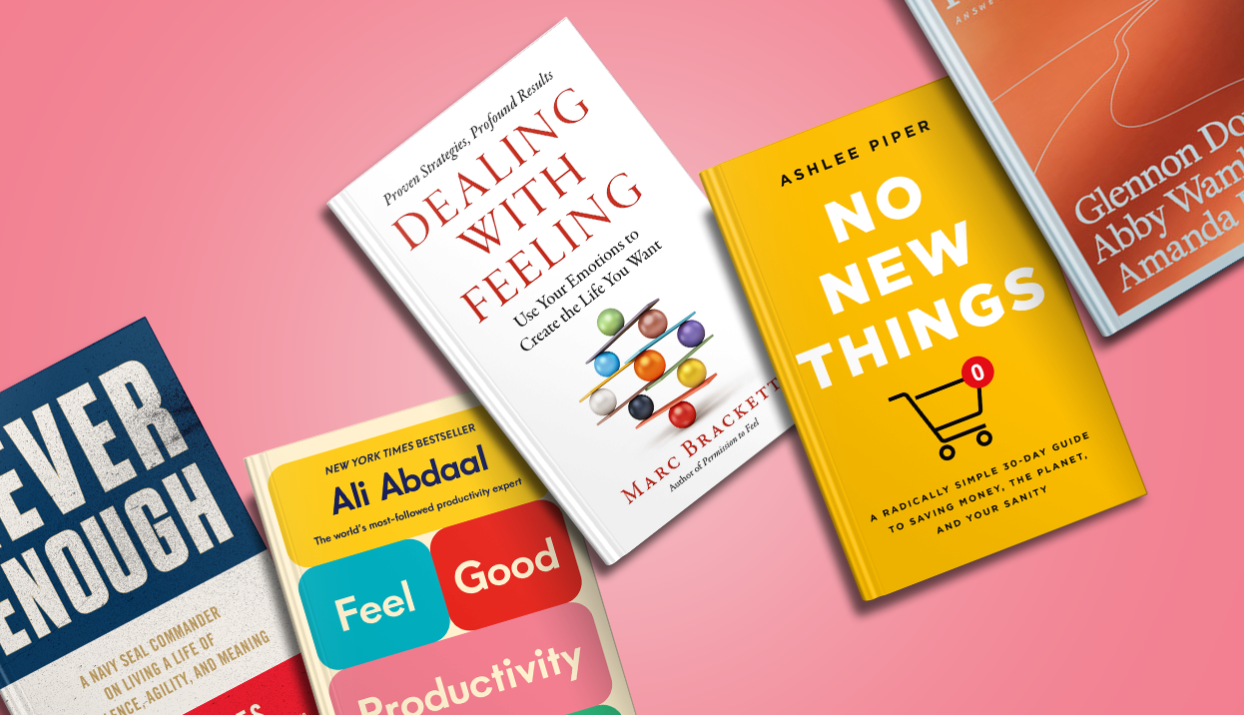
In a world dominated by smartphones, short videos, and instant information, books continue to offer something that quick digital content often cannot: the opportunity to focus deeply on an idea.
Reading can introduce people to new perspectives, improve vocabulary, strengthen critical thinking, and provide valuable knowledge. Whether you enjoy fiction, business, science, history, or personal development, finding the right books can make reading a rewarding part of everyday life.
Why Reading Books Still Matters in 2026
Technology has changed the way people consume information, but books remain an important source of knowledge.
A well-written book can provide detailed explanations, historical context, expert opinions, and stories that encourage readers to think differently.
Regular reading may also help people develop better concentration and communication skills.
1. Books About Personal Development
Personal development books remain popular among students, professionals, and entrepreneurs.
These books often explore topics such as:
- Building better habits
- Time management
- Leadership
- Motivation
- Decision-making
- Productivity
Rather than looking for quick solutions, readers can use these books as starting points for developing long-term habits.
2. Business and Entrepreneurship Books
Entrepreneurs and business students can benefit from books covering management, marketing, finance, leadership, and innovation.
Business books can introduce readers to different strategies and explain how successful organizations approach problems.
However, readers should treat business advice as guidance rather than a guaranteed formula for success.
3. Science and Technology Books
Technology is changing rapidly, making science and technology books increasingly interesting.
Readers can explore topics such as artificial intelligence, space exploration, computer science, climate technology, robotics, and biotechnology.
These books can help readers understand complex developments beyond short online news updates.
4. Fiction and Literature
Fiction remains one of the most popular categories of books.
Novels can transport readers into different cultures, historical periods, and imaginary worlds. They can also encourage empathy by allowing readers to experience situations from perspectives different from their own.
Mystery, science fiction, fantasy, romance, and historical fiction all offer different reading experiences.
5. History Books
History books help readers understand how societies and civilizations developed.
Learning about important historical events can provide context for current events and help readers recognize patterns in politics, economics, technology, and culture.
A good history book can turn complicated events into a much easier story to understand.
6. Books for Students
Students can benefit from books outside their required textbooks.
Reading additional material can help develop:
- Research skills
- Vocabulary
- Writing ability
- Critical thinking
- General knowledge
- Creativity
Students can choose books related to their academic field as well as subjects they simply find interesting.
How to Choose the Right Book
With millions of books available, choosing what to read can sometimes be difficult.
Before selecting a book, consider:
Your Interests
Choose subjects you genuinely enjoy. Reading becomes much easier when the topic is interesting.
The Author
Research the author’s background and previous work, especially when reading nonfiction.
Reviews
Reader reviews can provide useful information, although individual opinions can vary.
Length and Difficulty
If you are trying to build a regular reading habit, starting with a shorter and accessible book may be easier.
How to Build a Reading Habit
You do not need to read hundreds of pages every day to benefit from books.
A simple routine can help:
- Choose one book.
- Set aside 15–30 minutes each day.
- Keep your phone away while reading.
- Take short notes about useful ideas.
- Discuss interesting books with friends.
- Finish one book before starting too many others.
Consistency is more important than reading speed.
Physical Books vs Digital Books
Both formats have advantages.
Physical books can provide a distraction-free reading experience, while e-books allow readers to carry an entire library on a phone, tablet, or e-reader.
Audiobooks are another option for people who prefer listening while commuting, walking, or doing household activities.
The best format is simply the one that helps you read consistently.
The Future of Books
Artificial intelligence is changing publishing, research, and the way readers discover books. Recommendation systems can help readers find titles based on their interests, while digital platforms make books accessible to audiences around the world.
Despite these changes, the fundamental value of books remains the same: they allow people to spend time exploring ideas in depth.
Conclusion
Books remain one of the most powerful tools for learning and personal development in 2026.
Whether you choose a novel, business guide, science book, biography, or history title, regular reading can expand your knowledge and introduce you to new ideas.
The best book is not necessarily the most popular one. It is the book that teaches you something, changes your perspective, inspires curiosity, or simply makes you want to keep reading.
Frequently Asked Questions
What type of books should beginners read?
Beginners should choose subjects they genuinely enjoy. Short novels, biographies, popular science books, and practical nonfiction can be good starting points.
How many books should I read in a year?
There is no ideal number. Reading consistently is more important than trying to reach a specific target.
Are e-books as useful as physical books?
Both formats can provide valuable reading experiences. The choice largely depends on personal preference and reading habits.
Can reading improve career skills?
Yes. Books can help develop vocabulary, communication, critical thinking, subject knowledge, creativity, and professional understanding.